How to Create a Pollinator Garden: Plants and Layout Tips for Belgian Yards
According to GardenWorld, the traditional Belgian front garden is culturally treated as the calling card of the home. Characterised by a neatly clipped box hedge, seasonal flowers in planters, and an orderly garden path, this highly structured layout is widely described as an art form. While this aesthetic delivers exceptional curb appeal, it traditionally prioritises visual control over biodiversity. However, this established framework makes the front garden a natural site for structured pollinator planting. By integrating deliberate mathematical layouts with regional soil knowledge, homeowners can support native insects without sacrificing the tidy appearance expected in Belgian neighbourhoods. Transforming these spaces requires moving away from generic gardening advice and focusing on specific local realities, from the maritime coastal conditions to the distinct soil compositions of the interior provinces.
Key Takeaways
- Structured Biodiversity: The mathematical "3x3x3" planting system creates a compact garden whose total area scales according to the specific spacing needs of the chosen plants.
- Regional Adaptations: Soil preparation must shift dramatically depending on the region, from heavy Polder clay to quick-draining Kempen sand.
- Safe Sourcing: Establishing a sustainable habitat requires purchasing perennials explicitly grown without neonicotinoids or pesticides, as these chemicals harm pollinators.
How Many Plants Do You Need? The 3x3x3 Layout Explained
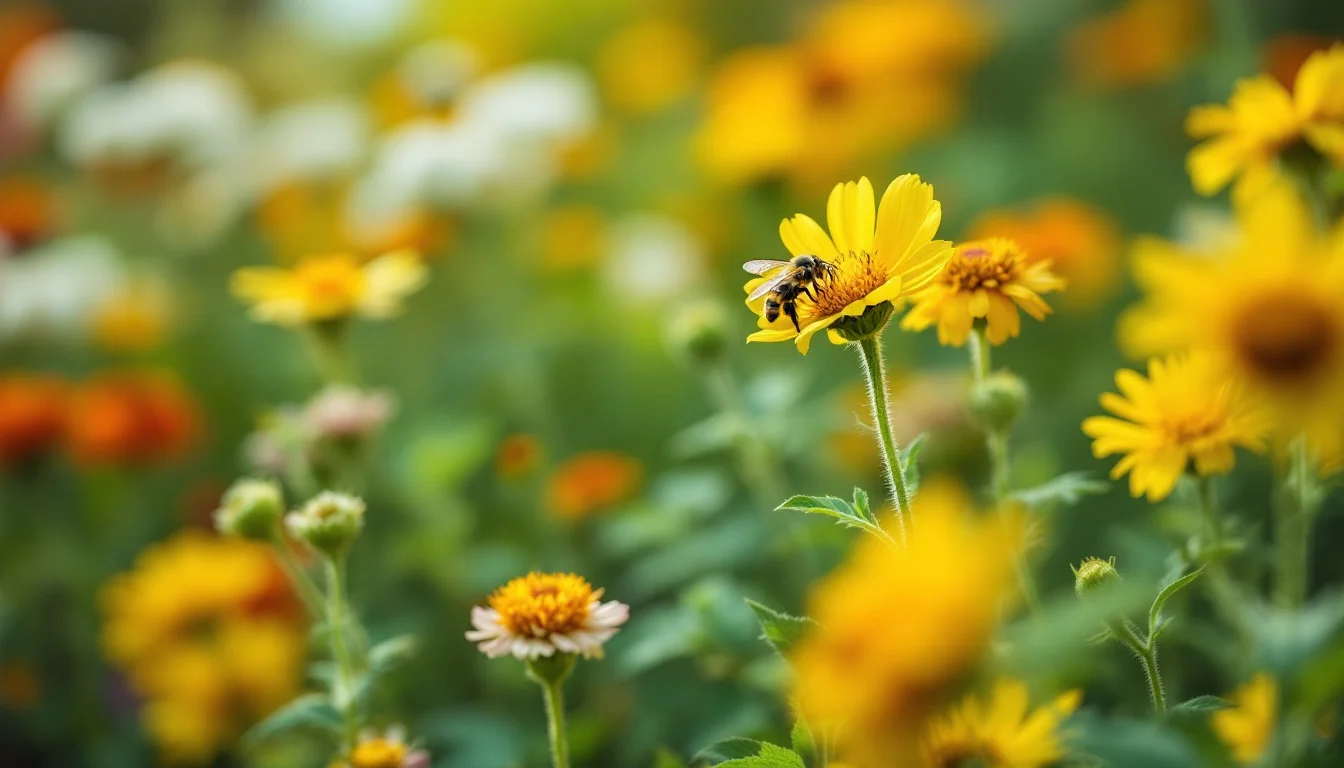
Applying international horticultural frameworks to the Belgian context requires balancing ecological output with the structured aesthetic of domestic landscapes. The "3x3x3" beginner system offers a precise, mathematical approach to planting that prevents a garden from looking untidy or overgrown. The rule dictates choosing three native plant species that bloom in each of the three primary growing seasons: spring, summer, and late summer into autumn. This specific staggering ensures the garden blooms and feeds local pollinators almost continuously throughout the year.
Calculating the Garden Layout
The geometry of this system is highly predictable, making it ideal for compact spaces. The complete layout totals exactly 27 plants, calculated by selecting three individual plants for each of the nine chosen species. This grouping strategy is intentional: planting in clusters ensures that each species forms a patch of flowers large enough to efficiently feed the insects living in the garden, minimising the energy they expend travelling between scattered blooms.When planning the spatial footprint, recommended perennial spacing typically ranges from 30 to over 60 centimetres per plant to prevent overcrowding. A complete 27-plant garden will therefore cover a variable area depending on the specific species chosen. Note that not all plants require equal spacing — some grow in upright, narrow clumps while others spread into broader mounds or creep along the ground — so check each species' growth habit before finalising positions. This flexible dimension allows the system to be integrated seamlessly into an existing front lawn or alongside a driveway without dominating the property.
Structuring the Beds
Depending on where this area is positioned in the yard, the arrangement of the species must be adjusted for both visual structure and insect access:- Island Beds: For freestanding beds located in the middle of a lawn, place the tallest plants directly in the centre and arrange the shortest ones around the outside edges. This creates a dome-like structure that is accessible to pollinators from 360 degrees.
- Border Beds: For gardens positioned against a house facade or a boundary fence, place the tall plants at the very back and step the shorter ones down toward the front. This tiering maximises sun exposure for all 27 plants while maintaining a tidy, formal border.
What Soil Do You Have? Prep Strategies by Belgian Region
Belgium features highly distinct geological zones. A layout that thrives in Flanders may fail in the southern provinces if the ground is not properly contextualised. Before installing any plants, gardeners must map their specific location to its underlying pedology.
Regional Soil Matrix
| Region | Dominant Soil Type | Key Characteristics | Prep Strategy |
|---|---|---|---|
| Coast & Kempen | Sandy | Light, quick to warm in spring, nutrient-poor, dry in summer | Annual incorporation of organic matter; heavy regular mulching |
| Bruges & Waasland (Polders) | Clay | Heavy, highly fertile, physically difficult to work | Aeration and drainage management |
| Haspengouw, Hainaut & Walloon Brabant | Loam | Fertile, naturally well-structured | Minimal intervention required |
| Southern Ardennes | Schist and Limestone | Rocky, paired with a higher elevation | Adjust planting timelines (delay by 2-3 weeks) |
Source: GardenWorld
Addressing Sandy Soils and Urban Microclimates
In the Kempen and along the coastal plain, the sandy soil presents a specific physical challenge: it allows nutrients to leach quickly past the root zones of shallow-planted perennials. A critical gardening tip for this region is to work in compost and leaf mould every single year. Because the sand drains so rapidly, regular mulching is also essential to retain summer moisture and rebuild the upper soil horizon.Conversely, Brussels gardens face entirely different constraints. These are predominantly urban gardens — compact, frequently sheltered by brick walls, and possessing their own distinct microclimate. The ground in the capital region typically consists of mixed or filled soil, heavily altered by centuries of construction. For Brussels residents, building raised beds filled with quality imported garden soil is the smartest choice, bypassing the unpredictable native ground entirely.
Navigating the Southern Elevation
In Wallonia, the pedology shifts significantly from north to south. While loam dominates northern areas like Hainaut and Walloon Brabant, the geology transitions sharply toward schist and limestone in the southern Ardennes. This rocky soil is coupled with a higher elevation, which directly impacts the horticultural calendar. The increased altitude results in a measurably shorter growing season, meaning gardeners in the Ardennes must sow seeds two to three weeks later than those working in the Flemish lowlands.Which Perennials Survive a Belgian Winter?
Choosing the right 27 plants for the 3x3x3 system requires navigating Belgium's dual climate reality. Coastal areas experience a maritime climate moderated by the North Sea and the Atlantic Ocean, characterised by ample year-round rainfall with no dry season and cooler summer temperatures. Inland areas, however, lean toward a more continental pattern, featuring warmer summers and colder winters that include occasional snow.
Navigating Hardiness Zones
While international horticultural guides often paint Belgium with a broad brush, local realities are more granular. Regional meteorological data indicates that zones 7b to 8a dominate the Belgian lowlands, with the higher elevations of the Ardennes dropping into the colder zone 7a. Plant selection should reflect this hardiness range, focusing on perennials so the garden returns each year with little maintenance.When sourcing these perennials from local garden centres, it is essential to choose plants that have not been treated with pesticides, insecticides, or neonicotinoids. These systemic chemicals remain in the plant tissue and will actively harm the pollinators the garden is designed to feed.
Structural Foundations: Shrubs and Hedges
A pollinator garden benefits from structural boundaries that offer wind protection and micro-habitats.- **Beech (Fagus sylvatica): Widely planted as a hedging species in Belgian gardens, beech is highly functional. Even in winter, its brown leaves remain attached, providing a moderate windbreak for the dormant pollinator beds.
- Yew: An excellent evergreen choice that readily tolerates shade in walled urban gardens.
- Hydrangea**: A signature Belgian shrub that requires soil matching. Hydrangea macrophylla prefers fresh, well-draining soils and dislikes stagnant water, while Hydrangea paniculata is highly adaptable to a wide range of soils, including sandy environments.
The Perennial Palette
For the lower tiers of the layout, specific perennials have proven highly resilient across the country:- Hardy Geranium (Cranesbill): A winter-tough perennial, it is highly shade-tolerant and flowers for months, providing a reliable food source.
- Astilbe: This species thrives in the cooler, damp corners of a yard, bringing necessary colour to areas with filtered light or partial shade.
- Heuchera: Offers consistent, year-round foliage to maintain visual interest when other species are dormant.
- Lavender: Frequently grown along structured garden paths, this pollinator favourite demands excellent drainage, meaning it performs far better in the sandy soils of the Kempen than on the heavy clay of the Polders.
When Should You Plant? The Timeline to the 'Ice Saints'
Establishing a successful pollinator bed relies on respecting local meteorological markers rather than generic seasonal calendars. The timeline for introducing new species varies drastically depending on whether the gardener is starting from seed or transplanting established nursery stock.
Late Winter Seed Establishment
For rugged, native perennials, seeds can be established using cold stratification. In late winter, seeds are exposed to prolonged cold and moist conditions outdoors. As temperatures rise in spring, this process naturally breaks their dormancy and allows them to germinate in place.The Spring Benchmark
For more tender additions or nursery-bought transplants, Belgian horticultural tradition dictates a strict waiting period. Gardeners must wait until after the "Ice Saints" — a period falling between 11 and 14 May — before taking risks with sensitive species. Only after this mid-May meteorological benchmark passes can heat-loving crops safely go outside into the garden without the lingering threat of a late, destructive frost.Can the 3x3x3 Formula Work on a Balcony?
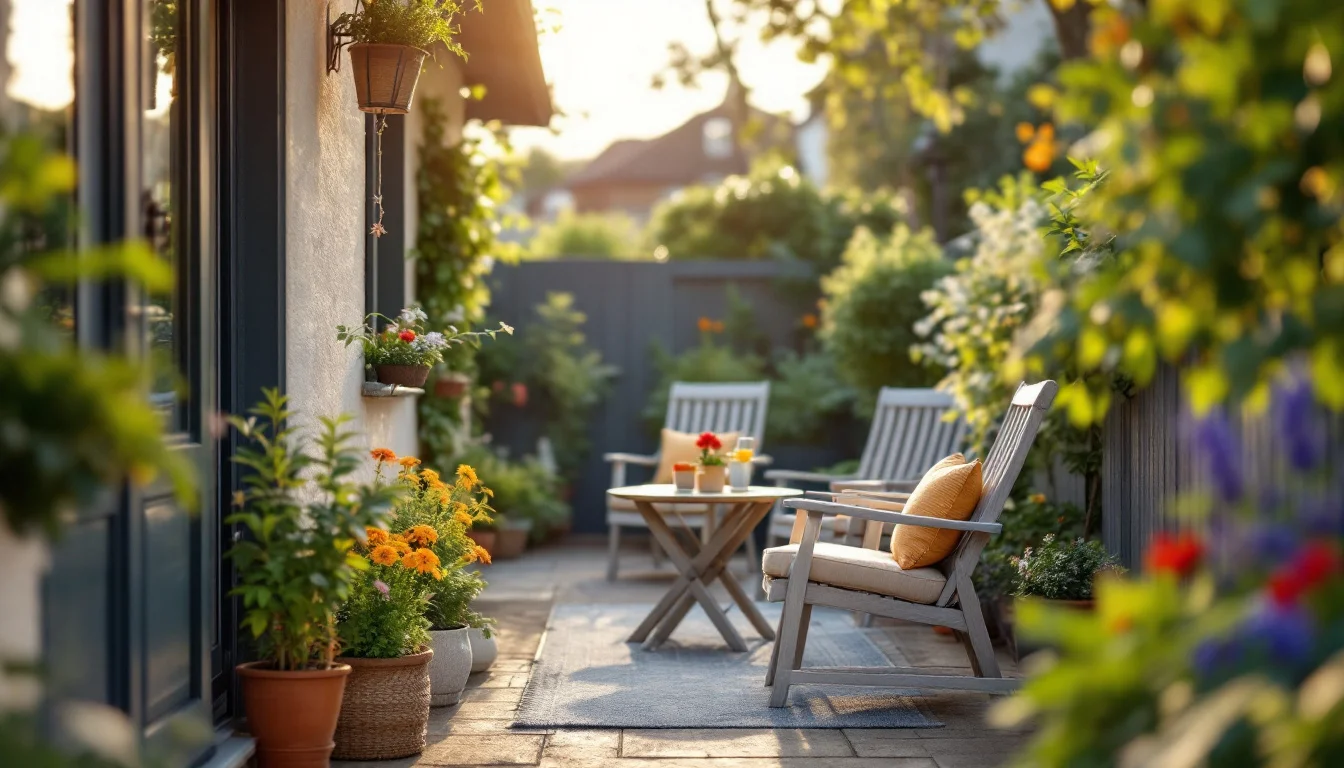
The mathematics of planting nine species across three seasons easily scales down to containers. In cities like Brussels, where the microclimate is warmer and gardens are often limited to patios or walled terraces, utilising large raised beds or deep pots filled with quality compost allows residents to replicate the staggered blooming cycle in a fraction of the space.
What's Next for the Belgian Garden?
The integration of systematic pollinator planting into traditional residential landscaping marks a necessary shift in European horticulture. By applying rigid architectural frameworks like the 3x3x3 layout to native, drought-tolerant perennials, homeowners can redefine neighbourhood aesthetics. This approach shows how a compact native bed can be accommodated within a formal framework, establishing a new baseline for how outdoor spaces are engineered in changing climates.