How to Fix Common Plumbing Problems at Home: The Belgian Triage Guide
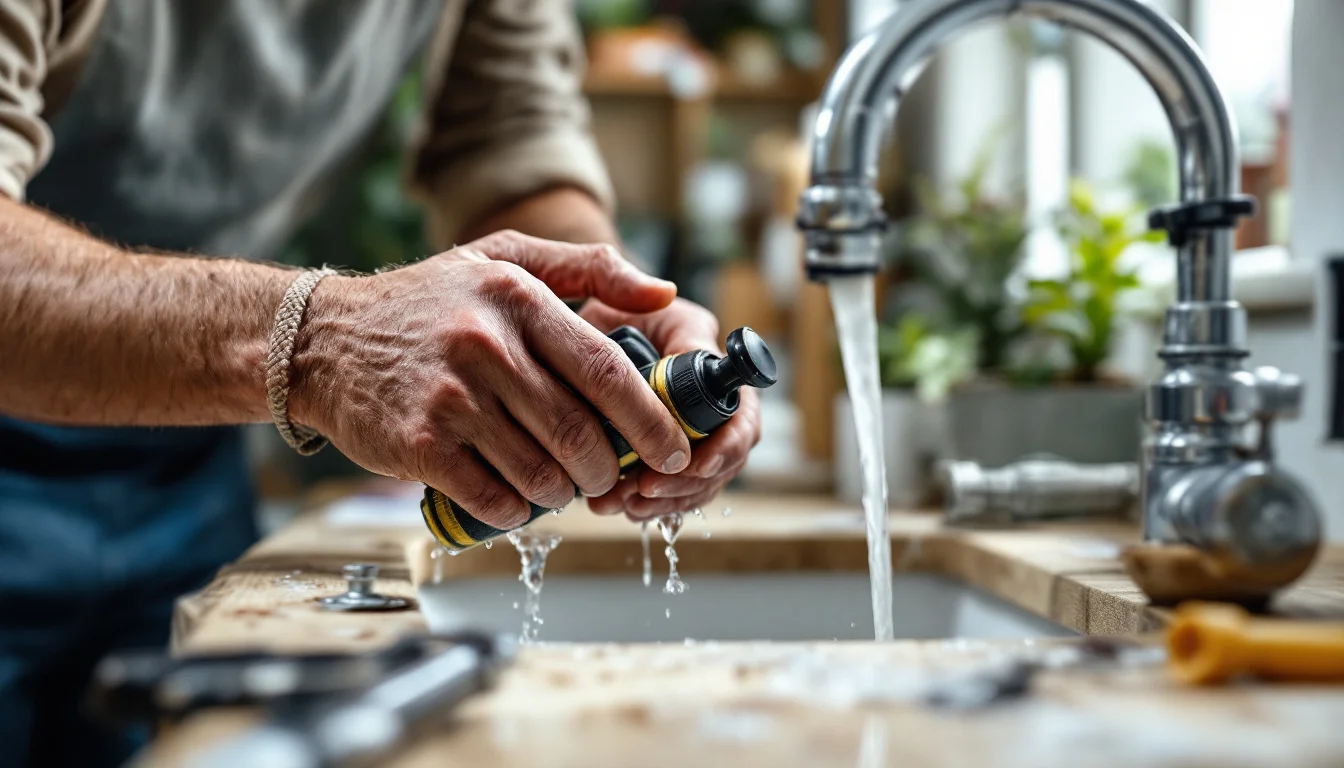
Household plumbing problems exist on a spectrum that ranges from minor annoyances to structural damage. A dripping faucet is more than a nuisance; ignoring such small leaks drains household finances, but immediately calling an emergency dispatch for a simple clog is equally wasteful.
Managing residential plumbing in Belgium requires a strict triage approach. By evaluating the severity of a symptom, homeowners can determine the exact level of intervention required. This means mastering safe, chemical-free do-it-yourself (DIY) fixes for everyday blockages and leaks, while strategically leveraging local service marketplaces for planned upgrades. When true structural risks arise, knowing how to temporarily patch leaks before a professional permanent repair becomes critical to protecting the property.
Key Takeaways
- Safe DIY: Homeowners can handle surface clogs, localized low pressure, and dripping faucets without professional help.
- Marketplace Professionals: Book a local professional for planned fixture upgrades, stubborn blockages, and valve-seat damage.
- Emergency Dispatch: Call a specialized service immediately for sewer backups, gas leaks, and pressurized line failures.
The Plumbing Triage Matrix: How to Categorize the Problem
Before dismantling a fixture or paying a call-out fee, the problem must be accurately classified. The Plumbing Intervention Triage Matrix provides a framework for deciding how to tackle an issue based on the required skills, expected costs, and necessary response times.
| Intervention Tier | Example Scenarios | Cost Expectation | Response Time |
|---|---|---|---|
| Level 1: Safe DIY | Dripping faucets, minor drain clogs, low pressure in a single sink | Minimal (cost of replacement parts only) | Immediate (homeowner action) |
| Level 2: Marketplace Delegation | Stubborn blockages, planned pipe installations, fixture upgrades | Moderate | Scheduled (evening time slots available) |
| Level 3: Immediate Emergency | Sewer system backups, major gas or water leaks, severe structural pipe failure | Premium emergency rates | Immediate rapid response |
The logic of this matrix relies on strict boundaries based on the scope of the repair. When an issue escalates beyond surface-level fixes, professional intervention is required to avoid further damage.
Before You Fix: The Diagnostic Logic of Isolation
The most critical step before attempting a repair or booking a professional is identifying the true source of the failure. Diagnostic logic in plumbing relies heavily on isolation—determining whether a symptom is an isolated fixture failure or an indicator of a wider structural problem.
Why Is Water Pressure Low Across the House?
When water pressure drops, the first step is to test multiple taps across the property. House-wide low water pressure may point to pipe corrosion, leaks, or a problem with the water supply system rather than a single fixture. A systemic issue cannot be fixed by cleaning a single aerator; it requires mapping the entire residential supply line and assessing the main shut-off valves or municipal supply metrics.
Why Is Only the Shower Lukewarm?
Conversely, testing different variables at a single location can pinpoint a highly specific mechanical fault. By testing hot and cold delivery across multiple rooms, a homeowner can isolate a failure to one component.
- Verify the temperature output at the bathroom sink.
- Verify the temperature output at the kitchen sink.
- Test the shower output at maximum heat.
Level 1: Safe DIY Fixes for Everyday Nuisances
When diagnostic isolation points to a localized, non-structural issue, homeowners can safely intervene without specialized training.
Resolving Surface-Level Clogs
Drainage issues are among the most common household complaints. Clogged drains in sinks, showers, or tubs are usually caused by an accumulation of hair, grease, food particles, or soap scum. The recommended DIY fix is mechanical: a plunger or a drain snake followed by hot water. Chemical drain cleaners should generally be avoided because they can damage vulnerable pipes and pose risks to personal health and the environment.
Restoring Localized Water Pressure
If diagnostic testing confirms that low pressure is isolated to a specific sink or shower, the intervention is straightforward. For a localized low-water-pressure problem, the suggested DIY step is to clean faucet aerators and showerheads to remove mineral deposits that restrict flow.
Halting Silent Water Waste
Failing internal mechanisms in bathroom fixtures create massive unseen utility costs.
- Running Toilets: A running toilet can waste significant quantities of water each day. Replacing the internal flapper or adjusting the float requires no specialized tools and halts continuous water loss immediately.
- Dripping Faucets: Even a slow drip can waste thousands of litres of water every year, increasing utility bills. For a dripping faucet, the DIY fix is to replace the worn-out washer, O-ring, or cartridge inside the fixture.
Level 2: The Delegation Zone (Planned Upgrades and Stubborn Clogs)
When a plumbing issue requires professional tools, specific technical knowledge, or heavy labor—but does not pose an immediate threat of flooding or property damage—it falls into the delegation zone.
Leveraging the Belgian Marketplace
The local service economy offers flexible solutions for planned interventions. According to its platform (retrieved in 2023), Pwiic states that service providers start from €12 per hour with insurance included—a base platform rate that does not reflect the standard professional plumbing costs of €50 to €100 per hour—and claims to have more than 1,050 plumbers listed on its Belgian platform. This density of professionals allows homeowners to address non-emergency upgrades without waiting weeks for a commercial contractor, and requests can be scheduled for an evening time slot, accommodating standard working hours.
Typical Delegation Tasks
The most frequently requested plumber services on Pwiic define the boundaries of this tier:
- Install a complete bathroom
- Install a water heater or boiler
- Install a bathtub or shower
- Repair a toilet flush
- Repair or weld a pipe
- Install a pipe or drain
- Empty a flooded cellar or room
When Is a Clogged Drain No Longer a DIY Job?
Certain problems masquerade as Level 1 nuisances but require Level 2 equipment. While basic organic matter can be cleared mechanically, structural blockages cannot. An illustrative platform example on Pwiic reports a real case in which a drainage pipe was obstructed by hardened cement and construction debris, severely restricting water flow. CCTV inspection can check the condition of the pipe and identify the cause. Without this visual diagnostic tool and specialized extraction hardware, resolving a cement blockage is impossible for a homeowner.
Level 3: Structural Risks and When to Call Emergency Services
Certain plumbing failures cross the threshold from maintenance tasks to active hazards. These Level 3 emergencies require strict adherence to safety protocols and immediate professional dispatch. Isolating water at the main stopcock is the first step for any pressurized leak.
Temporary Mitigation Tactics
When a pressurized line fails, the primary objective is damage control while waiting for emergency responders. For a pipe leak, plumber's tape or epoxy putty can be used as a temporary patch with a bucket placed under the leak to minimise damage. However, permanent pipe repair or replacement should be handled by professionals.
Recognizing Hard Red Lines
Homeowners must recognize the symptoms that mandate an immediate professional call:
- Sewer Backups: A sewer system backup is described as one of the most serious plumbing problems, with signs including foul smells, multiple clogged drains, and gurgling noises from toilets. Home DIY fixes for this issue are not safe due to the biological hazards and structural pressures involved.
- Acoustic Warnings: Noisy pipes (often referred to as water hammer) point to hydraulic shock in the system. This can be partly addressed at home by securing any visibly loose pipes. However, to fully resolve the pressure surges, a professional can install water hammer arrestors or pressure-regulating devices to protect the plumbing joints from rupturing.
Activating Emergency Dispatch
When mitigation is impossible, specialized emergency teams are required. According to its website (retrieved in 2023), SOS 24/7 lists the Brussels plumbing jobs it handles, which reflect true crisis management: unblocking of pipelines, leak detection, emergency plumbing repairs, repair of a water leak, gas leak repair, water meter repair, and sewer unblocking. While utilizing an emergency dispatch service is an appropriate option for severe sewer obstructions, Belgian regulations mandate that gas leaks be reported immediately to the official regional grid operator (such as Sibelga, ORES, RESA, or Fluvius) for intervention by certified technicians.
Conclusion: Building Plumbing Resilience
A residential plumbing system operates best when properly maintained, as well-maintained systems are less likely to suffer the maintenance-related failures described in Level 1. Shifting focus from reactive repairs to proactive infrastructure care significantly extends the lifespan of pipes and fixtures. Preventive maintenance advice includes:
- Avoid pouring grease down drains, as it solidifies and catches other debris.
- Use strainers in sinks and showers to catch hair and particles before they enter the drainage system.
- Insulate pipes in winter to prevent freezing and subsequent bursting.
- Schedule annual plumbing inspections with a professional to monitor system health.